Introduction:
Mint, also known as pudina, is a fragrant and versatile herb used in cuisines, teas, desserts, and beverages around the world. Growing mint naturally ensures a fresh, chemical-free supply that is safe for consumption and environmentally friendly. Organic mint cultivation not only provides aromatic and flavorful leaves but also supports soil health and sustainable farming practices. Whether you are a home gardener or a small-scale farmer, mint is easy to grow with minimal care and offers a continuous harvest throughout the season.
Ideal Environment for Mint:
Mint thrives in mild to moderate climates, preferring temperatures between 15°C to 28°C (59°F to 82°F). It grows best in fertile, well-draining soil rich in organic matter. Mint can tolerate partial shade, making it suitable for home gardens, balcony pots, or larger farm plots. Adequate air circulation and regular watering help prevent fungal diseases and promote lush green growth.
1️⃣ Selecting Quality Mint Plants or Seeds:
Choose healthy, organic mint plants or seeds for sustainable cultivation. Using certified organic seeds ensures chemical-free growth and stronger plants. Some popular mint varieties include spearmint, peppermint, and chocolate mint. Planting young mint cuttings is also a fast way to establish a garden patch.
Step-by-Step Guide to Sustainable Mint Cultivation:
2️⃣ Preparing the Soil and Planting Area:
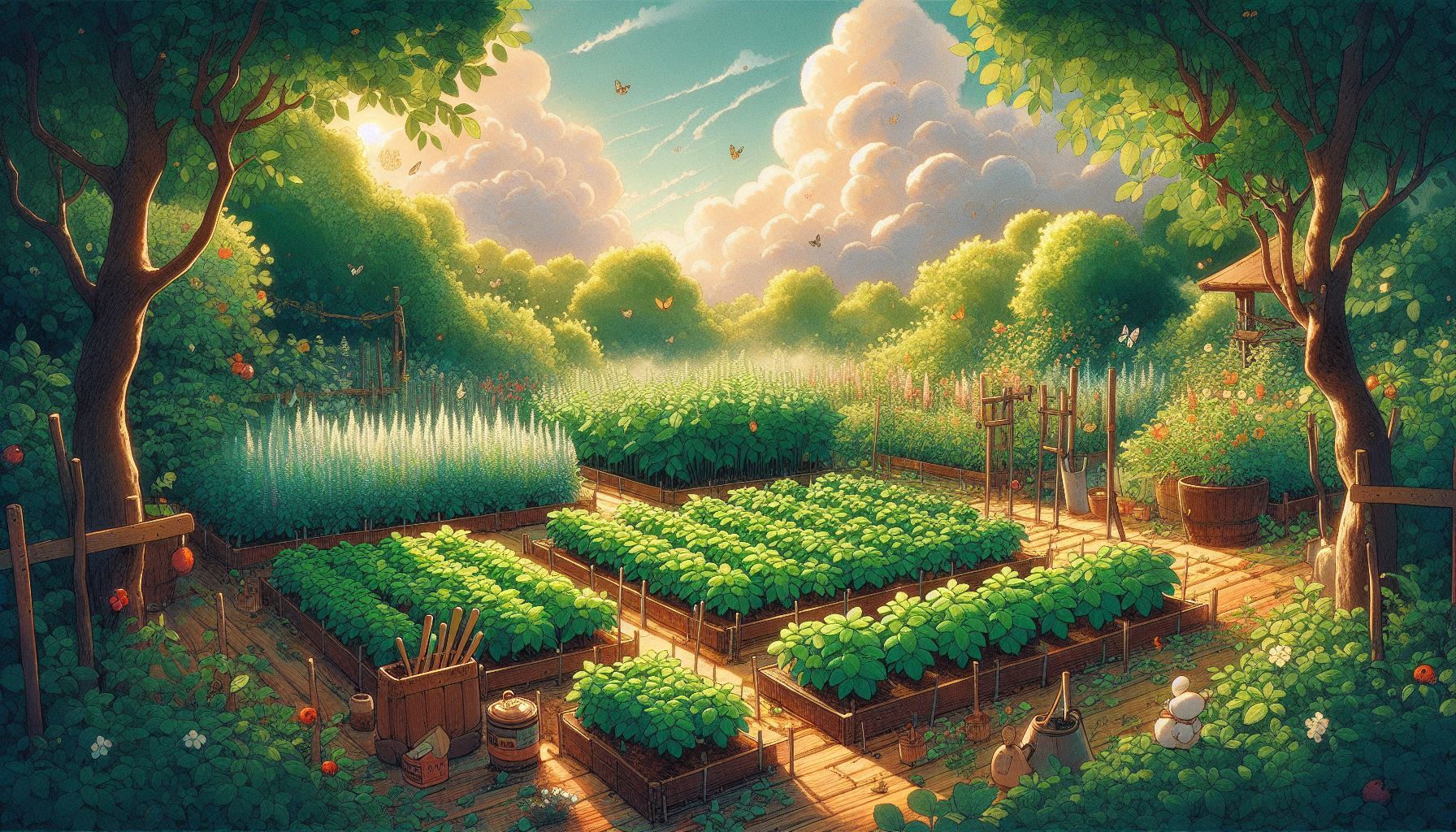
Mint prefers nutrient-rich, well-draining soil. Prepare raised beds, pots, or garden plots by mixing compost or vermicompost into the soil. For direct sowing, plant seeds or cuttings 12–18 inches apart to allow proper airflow and growth. Raised beds or containers help control invasive spreading, as mint tends to grow aggressively.
3️⃣ Watering and Maintenance:
Water mint regularly to keep the soil consistently moist but not waterlogged. Overwatering can lead to root rot, while underwatering slows growth. Mulching around the base helps retain moisture, suppress weeds, and maintain soil temperature. Prune mint regularly to encourage bushy growth and prevent flowering too early, which can reduce leaf flavor.
4️⃣ Organic Fertilization:
Feed your mint plants with natural fertilizers like compost, vermicompost, or liquid cow dung slurry every 2–3 weeks. These fertilizers provide essential nutrients like nitrogen and potassium while maintaining soil fertility. Avoid chemical fertilizers, as they can affect flavor and harm soil microbes essential for sustainable cultivation.
5️⃣ Natural Pest and Disease Control:
Mint can attract pests like aphids, spider mites, and whiteflies. Use natural pest control methods such as neem oil sprays, garlic-chili solutions, or companion planting with basil and marigold. Encouraging beneficial insects like ladybugs and spiders also helps control pests naturally. Regular inspection of leaves ensures early detection and prevention of infestations.
6️⃣ Harvesting and Storage:
Mint leaves can be harvested 6–8 weeks after planting. Cut the leaves just above the stem to encourage regrowth and prolong the harvest period. Mint can be harvested continuously throughout the season. For storage, wrap fresh leaves in a damp paper towel inside an airtight container and refrigerate for up to a week. For longer storage, chop and freeze the leaves, or dry them for use in teas and cooking.
Tips for Successful Mint Cultivation:
- Sow new seeds or plant cuttings every 2–3 months for a continuous supply.
- Thin seedlings or prune older stems to prevent overcrowding.
- Avoid planting mint near sensitive plants, as it can spread aggressively.
- Use containers or raised beds to control growth and maintain garden order.
- Rotate mint planting with other herbs to sustain soil nutrients.
Conclusion:
Sustainable mint cultivation is simple, rewarding, and environmentally friendly. By using organic seeds, natural fertilizers, and pest control methods, you can grow aromatic, flavorful mint leaves safely at home or on a farm. Regular care, proper watering, and timely harvesting ensure a continuous supply of high-quality leaves for culinary, medicinal, or beverage uses. Whether you are growing mint in pots on a balcony or on larger farm plots, following sustainable practices not only benefits your garden but also contributes to a healthier, greener planet.