Introduction :-
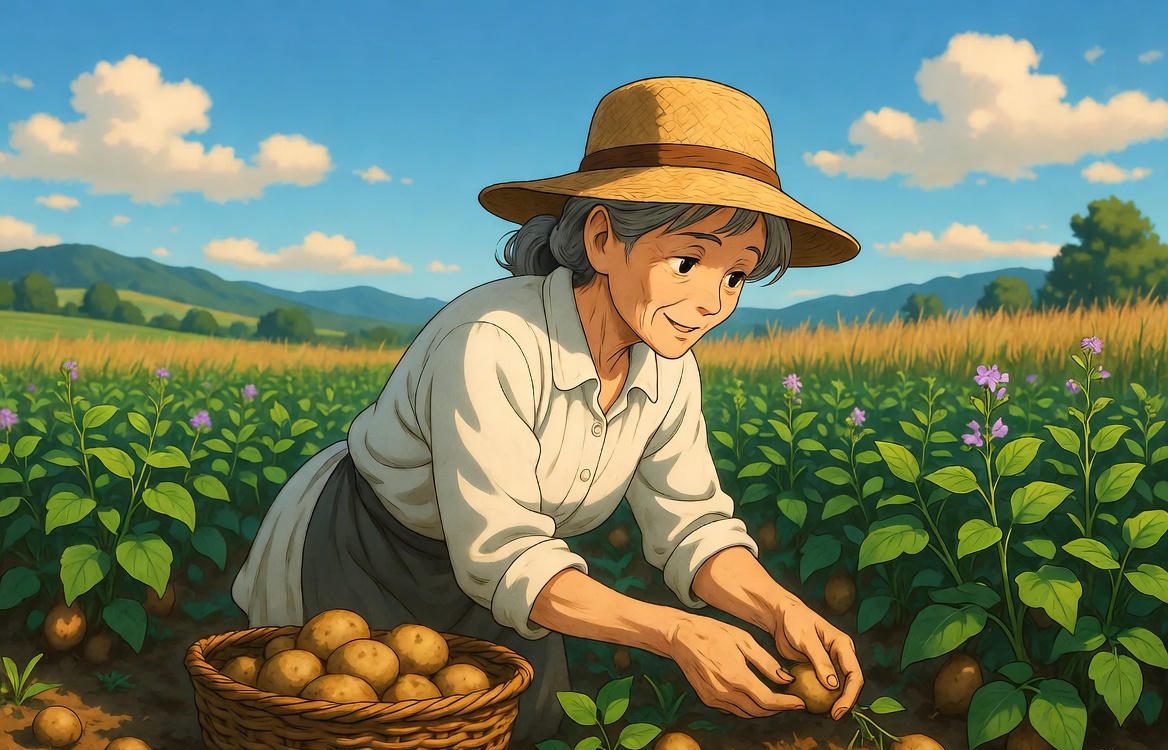
Potatoes are one of the most important and widely grown vegetables in the world. With proper care and planning, anyone can grow a healthy, high-yield potato crop, whether in a small garden or a large farm. Understanding soil requirements, planting techniques, and maintenance is key to ensuring strong plants and tasty tubers.
Growing potatoes requires patience, attention, and a few basic farming practices. From selecting quality seed potatoes to harvesting at the right time, following a structured approach will maximize yield and reduce losses due to pests or diseases.
Step-by-Step Guide :–
1. Choosing the Right Potato Variety
Selecting the right variety is crucial for a successful harvest. There are mainly three types:
- Early varieties: Mature quickly, ideal for quick harvests.
- Maincrop varieties: Take longer but produce large yields, perfect for storage.
- Specialty varieties: Red, fingerling, or organic potatoes with unique flavors.
Choose a variety based on your climate, soil type, and intended use.
2. Soil Preparation and Planting
Potatoes grow best in well-drained, loose, and fertile soil with a pH of 5.5–6.5. Steps to prepare:
- Plow the field deeply and remove stones.
- Mix in compost or well-rotted manure for nutrients.
- Plant seed potatoes 3–4 inches deep with the eyes facing up.
- Space plants 12–15 inches apart in rows 24–30 inches apart for proper growth.
3. Watering and Fertilizing
Proper water and nutrition are essential:
- Watering: Keep the soil moist, especially during tuber formation, but avoid waterlogging.
- Fertilizing: Use balanced fertilizers with nitrogen, phosphorus, and potassium. Organic options like compost tea also work well. Fertilize 2–3 weeks after planting and repeat as needed.
4. Sunlight and Temperature
Potatoes need full sunlight (6–8 hours daily) and moderate temperatures for optimal growth:
- Day: 18–24°C (65–75°F)
- Night: 12–18°C (55–65°F)
Extreme heat or frost can reduce yield and damage tubers.
5. Common Pests and Diseases
Monitoring and prevention are key:
- Pests: Aphids, potato tuber moths, and beetles. Use neem oil sprays or manual removal.
- Diseases: Late blight, early blight, and scab. Rotate crops, avoid overhead watering, and plant disease-free tubers.
6. Hilling and Plant Support
- Hill the soil around the base of plants to protect tubers from sunlight and encourage growth.
- Remove weak stems or shoots to direct energy into tuber production.
7. Harvesting Potatoes
- Harvest when leaves start yellowing and tubers reach desired size.
- Carefully dig to avoid damaging potatoes.
- Allow harvested potatoes to dry in shade before storage.
8. Tips for Success
- Rotate crops every season to prevent soil-borne diseases.
- Mulch around plants to retain moisture and control weeds.
- Regularly check for pests and act immediately.
- Start with a small patch, learn the techniques, then scale up for larger harvests.
Conclusion:
Growing potatoes in your farm or garden can be simple and rewarding if you follow the right steps. By choosing quality seeds, preparing the soil properly, and caring for your plants, you can enjoy a healthy and bountiful harvest. Start small, be consistent, and soon you’ll experience the joy of fresh, homegrown potatoes ready for your family and friends.