Introduction:
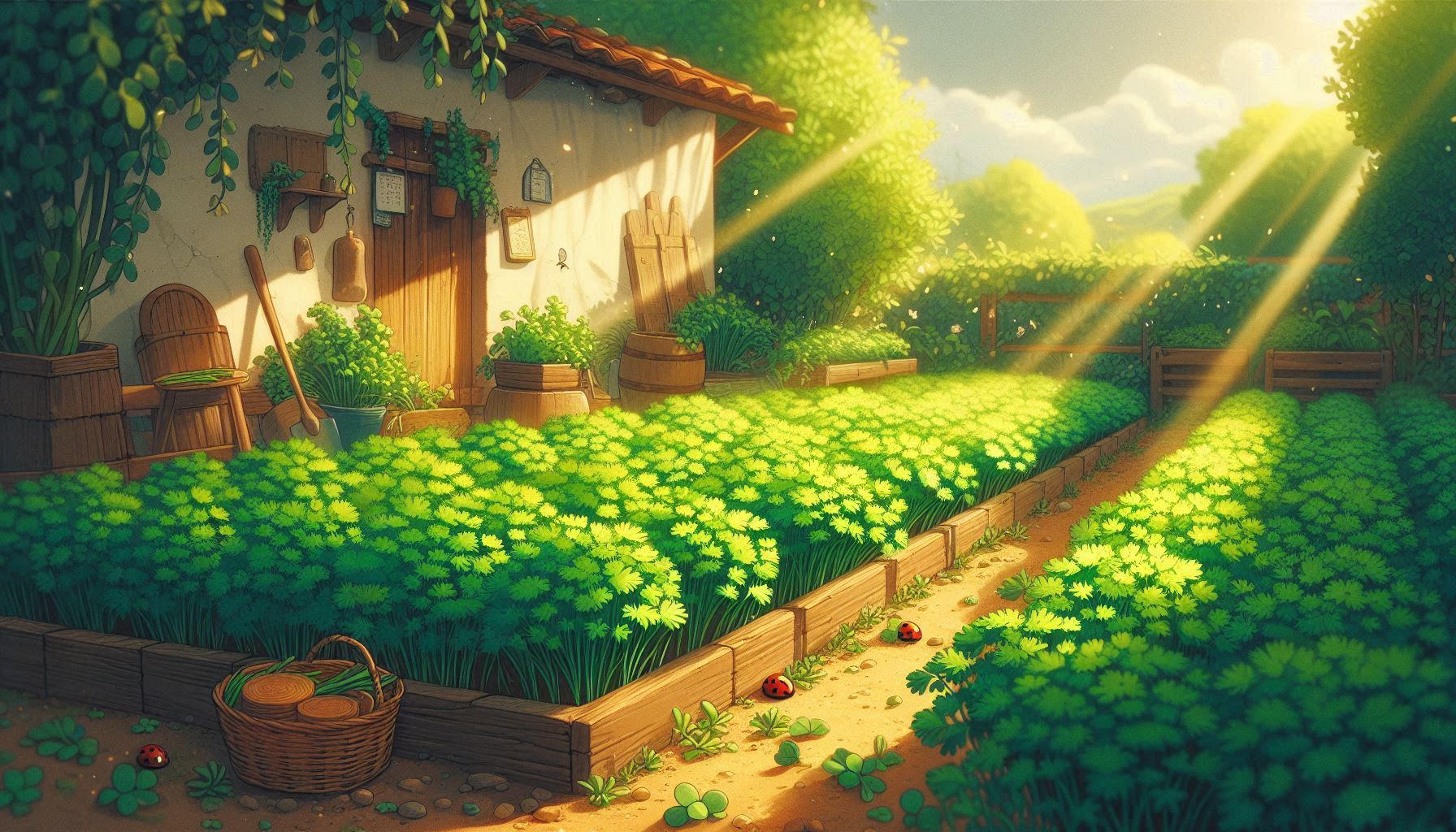
Coriander, also called cilantro in many parts of the world, is an essential herb used in countless cuisines. Its fresh leaves add flavor to salads, soups, curries, and sauces, while its seeds are a popular spice in cooking. Growing coriander naturally at home or on a farm ensures a chemical-free supply of this versatile herb. Organic cultivation not only produces healthier plants but also protects the environment and maintains soil fertility. With simple care and the right techniques, anyone can grow coriander easily, whether in a small home garden or on a larger farm plot.
Ideal Environment for Coriander:
Coriander grows best in mild to cool climates, thriving in temperatures between 17°C to 27°C (63°F to 81°F). It prefers fertile, well-draining soil with a neutral pH. Sandy loam soil enriched with compost or organic matter works perfectly. While coriander loves sunlight, it can tolerate partial shade, which makes it ideal for home gardens, balcony pots, or larger farm plots. Proper air circulation and moderate watering are important to prevent fungal diseases.
Step-by-Step Guide to Natural Coriander Gardening:
1️⃣ Seed Selection:
The first step to successful coriander gardening is selecting high-quality, organic seeds. Organic seeds are free from chemicals and often produce stronger, more resilient plants. You can choose between varieties meant for leaf production and those cultivated for seeds. Fresh seeds will germinate faster and ensure a uniform growth of plants. Always check the packaging for the expiration date to avoid low germination rates.
2️⃣ Nursery Preparation or Direct Sowing:
Coriander can be grown in seed trays, pots, or directly in garden beds. For seed trays or pots, use a nutrient-rich, well-draining soil mix. Sow seeds evenly, covering them lightly with a thin layer of soil. If planting directly in a garden bed, loosen the soil and mix in organic compost to enhance fertility. Space the seeds approximately 2–3 inches apart to avoid overcrowding and ensure proper airflow between seedlings. This encourages healthier growth and reduces the risk of diseases.
3️⃣ Watering & Care:
Regular watering is essential for coriander growth, but overwatering should be avoided. Water the plants enough to keep the soil consistently moist, especially during dry periods. Young seedlings are delicate and need careful attention. Ensure they receive at least 4–5 hours of sunlight daily, and protect them from extreme heat that can cause early bolting, where the plant flowers prematurely and leaves become bitter. Mulching around the plants helps retain soil moisture and suppresses weed growth.
4️⃣ Organic Fertilization:
Feed coriander plants with natural fertilizers such as compost, vermicompost, or cow dung slurry. These provide essential nutrients like nitrogen, phosphorus, and potassium without harming the soil ecosystem. Avoid chemical fertilizers, as they can make leaves taste bitter and harm beneficial microbes. Fertilizing once every 2–3 weeks supports lush, green foliage.
5️⃣ Natural Pest Control:
Coriander is susceptible to pests like aphids, whiteflies, and leaf miners. To manage pests organically, use neem oil sprays, garlic or chili-based natural solutions, or plant companion herbs like basil and mint nearby. Encouraging beneficial insects like ladybugs and spiders helps control harmful pests naturally. Regularly inspect plants for early signs of infestation to prevent major damage.
6️⃣ Harvesting & Storage:
Coriander leaves can be harvested 3–4 weeks after sowing. For continuous growth, cut the leaves just above the stem, allowing new leaves to regenerate. For seed harvesting, allow the plant to flower and turn brown; seeds will mature in about 90–100 days. Store fresh leaves in airtight containers or wrap them in a damp paper towel inside the refrigerator for up to a week. For long-term storage, coriander leaves can be chopped and frozen, while seeds can be dried and stored in airtight jars.
Tips for Best Results:
- Sow seeds every 2–3 weeks to maintain a steady supply.
- Thin seedlings to avoid overcrowding and improve air circulation.
- Mulch soil to retain moisture and regulate temperature.
- Avoid growing coriander during extreme heat or frost.
- Rotate coriander planting with other crops to maintain soil fertility.
Conclusion:
Natural coriander gardening is simple, sustainable, and highly rewarding. By choosing organic seeds, following proper care routines, and using natural fertilizers and pest control methods, you can grow fresh, flavorful coriander safely at home or on a farm. This approach not only ensures a healthy supply of herbs for cooking but also promotes environmental sustainability. Whether grown in small pots or large farm plots, coriander cultivation can be a fun, educational, and productive activity. With patience, care, and proper techniques, anyone can enjoy the benefits of chemical-free coriander while contributing to a greener and healthier world.