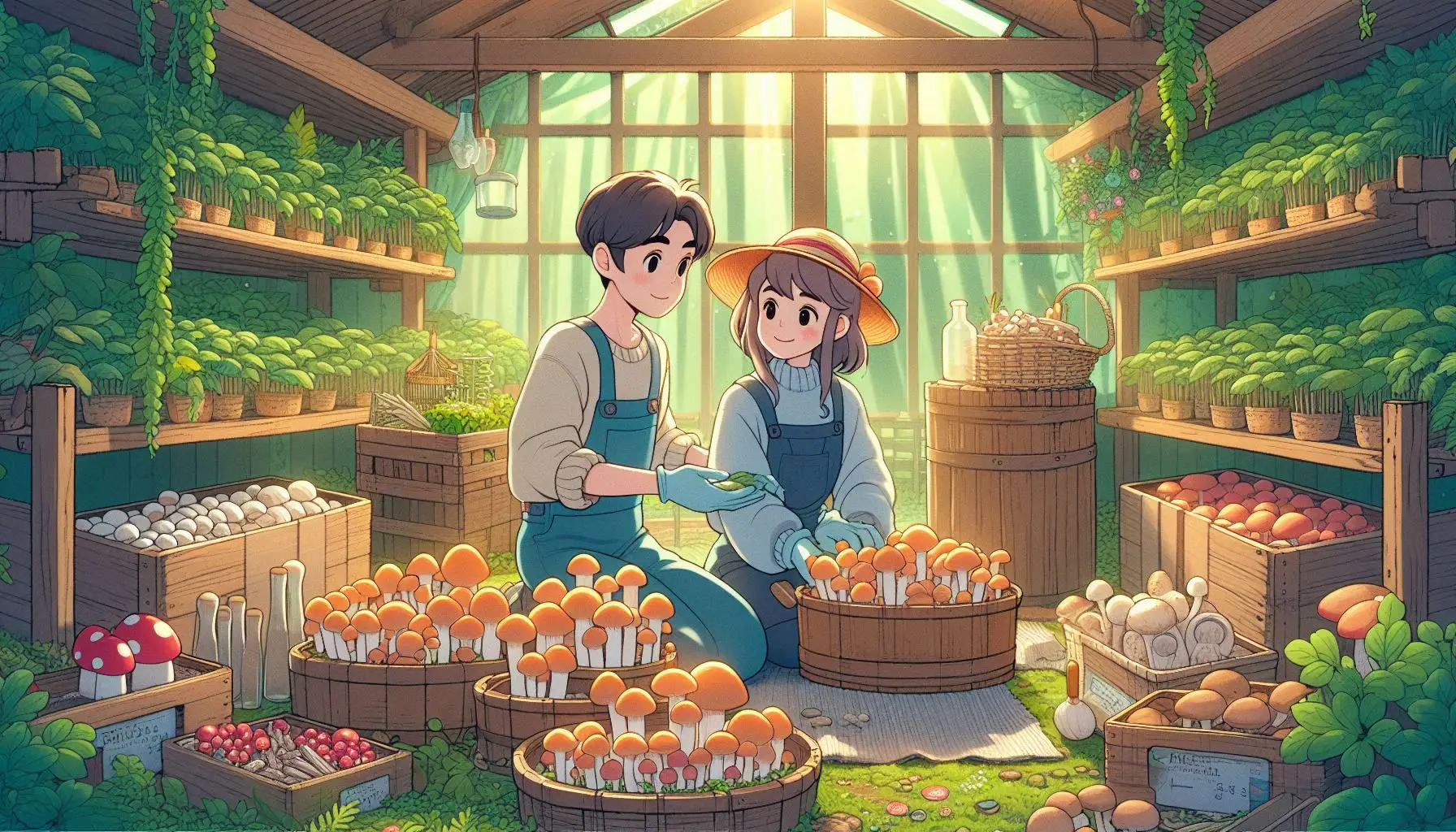
Introduction:
Mushroom cultivation is one of the most profitable and low-maintenance crops for home growers and small-scale farmers. Mushrooms are highly nutritious, rich in protein and vitamins, and have growing demand in both domestic and commercial markets. With simple techniques and proper care, anyone can grow mushrooms at home and turn it into a profitable venture. This guide will cover everything from preparing the growing medium to harvesting and selling mushrooms.
Ideal Environment for Mushroom Farming:
Mushrooms grow best in a cool, dark, and humid environment. The ideal temperature is between 20°C–28°C with humidity around 70–90%. Choose a well-ventilated area that is protected from direct sunlight and strong winds. Mushrooms can be grown indoors, in sheds, or even in small backyard spaces using stacked trays or shelves.
1️⃣ Choosing Mushroom Variety
Start by selecting a suitable mushroom variety based on your climate and market demand. Common types for home cultivation include:
- Button Mushroom (Agaricus bisporus): Most popular, high demand.
- Oyster Mushroom (Pleurotus ostreatus): Fast-growing and easy to cultivate.
- Shiitake Mushroom (Lentinula edodes): High market price, slightly advanced cultivation.
Choose quality spawn from reliable suppliers to ensure healthy growth.
2️⃣ Preparing the Growing Medium (Substrate)
Mushrooms grow on organic substrates like straw, sawdust, or composted materials.
- For Oyster mushrooms, pasteurized straw is ideal.
- For Button mushrooms, composted manure works best.
- Ensure the substrate is free from contamination.
Moisten the substrate adequately but avoid excess water, which can cause fungal contamination.
3️⃣ Inoculation (Spawning)
Mix the mushroom spawn into the prepared substrate carefully. Spread evenly and maintain hygiene to avoid contamination. After inoculation, place the substrate in trays, bags, or containers. Cover lightly to create a dark, humid environment. Maintain proper temperature and humidity for mycelium growth.
4️⃣ Caring for Mushroom Growth
- Keep the substrate moist by spraying water regularly.
- Avoid direct sunlight; mushrooms need darkness during growth.
- Ensure proper ventilation to prevent stagnation and fungal diseases.
- For Oyster mushrooms, tiny pinheads appear within 10–15 days; for Button mushrooms, it may take 20–25 days.
5️⃣ Harvesting Mushrooms
Harvest mushrooms when the caps open but before they flatten completely. Use a sharp knife or twist gently to pluck mushrooms without damaging the substrate. Regular harvesting encourages multiple flushes of growth. Typically, mushrooms give 2–3 harvests from the same substrate batch.
6️⃣ Post-Harvest Handling & Storage
After harvesting, clean the mushrooms gently and store them in a cool, ventilated place. Mushrooms have a short shelf life (1–3 days), so selling quickly is important. For longer storage, consider refrigeration or drying. Proper handling ensures freshness and fetches better market prices.
7️⃣ Marketing & Profitability
Mushrooms can be sold directly to local markets, restaurants, hotels, or online platforms. Organic and home-grown mushrooms attract higher prices. By maintaining quality and consistent supply, small growers can generate a steady income. A small setup can yield significant profits with minimal investment.
Conclusion:
Home mushroom cultivation is a highly profitable and sustainable venture. By following proper selection of variety, substrate preparation, inoculation, care, harvesting, and marketing techniques, anyone can start growing mushrooms successfully. With patience and consistency, mushrooms can become a reliable source of income, making small-scale farming both enjoyable and rewarding.