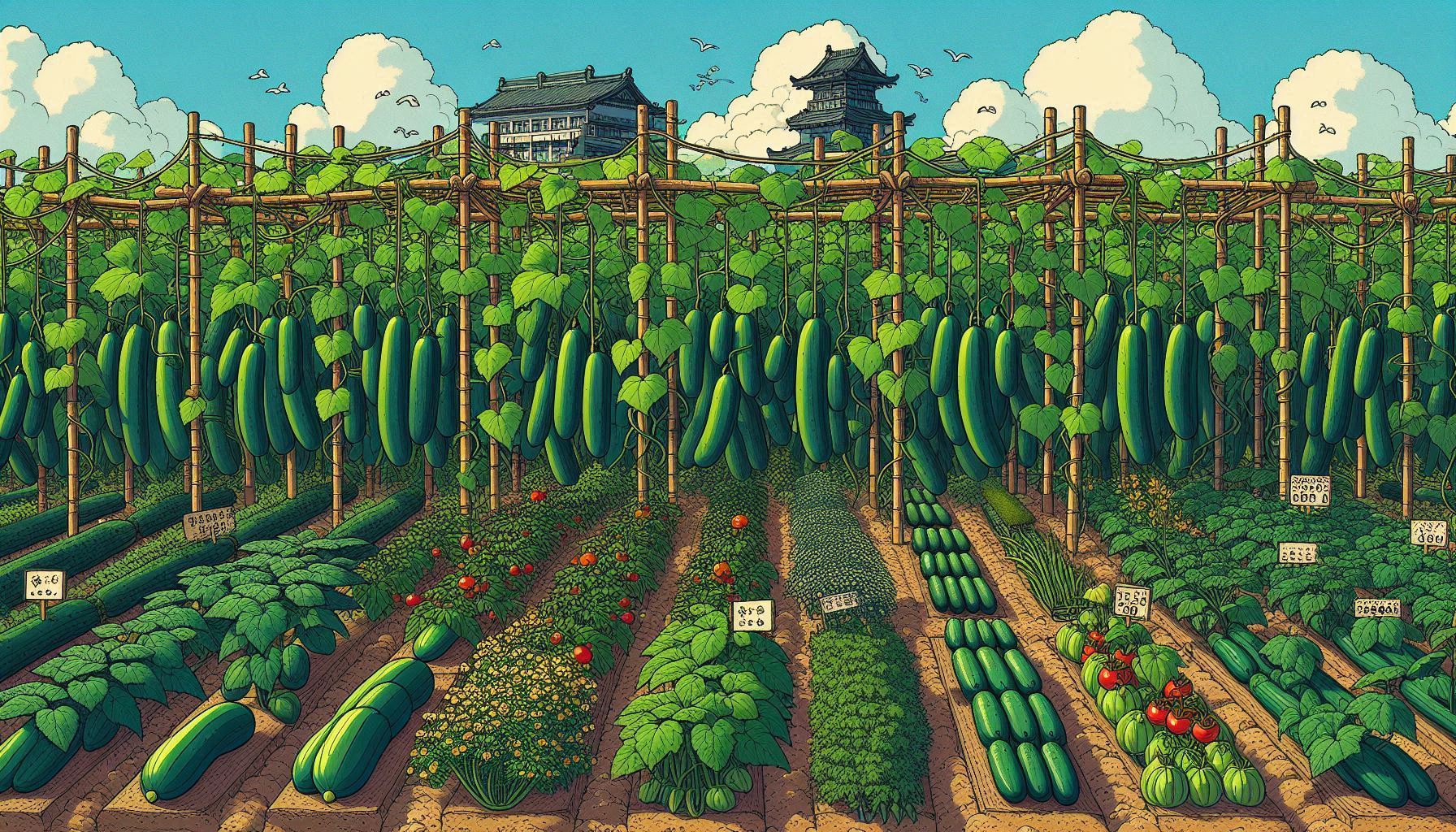
Introduction
Growing organic vegetables at home is a simple and rewarding practice that provides fresh and nutritious food every day. It helps families avoid chemically treated market produce and builds a healthy lifestyle with very little investment.
Home gardening can be started in balconies, terraces, rooftops, or small backyards using pots and containers. With natural soil, seeds, and regular care, even beginners can raise many vegetables successfully in urban environments.
Organic methods protect soil health and ensure safe vegetables for children and elders. Learning step-by-step techniques makes gardening easy and allows continuous harvests throughout the year.
5 Short Paragraphs – Without Any Heading
Selecting seasonal vegetables reduces failure and supports fast growth in home spaces. Easy varieties adapt better to local weather and need less maintenance.
Natural compost from kitchen waste improves soil fertility and strengthens roots. Fertile soil produces healthy leaves and good quality vegetables without chemicals.
Proper planting depth and spacing allow plants to breathe and grow freely. Overcrowded pots usually give weak vegetables and low yields.
Regular sunlight is necessary for photosynthesis and natural sweetness in vegetables. Shaded areas delay growth and attract more pests.
Neem-based sprays and homemade solutions keep insects away safely. Natural pest control maintains organic quality and protects human health.
Organic vegetable gardening depends on balanced management of soil, water, light, and protection. When these factors are handled correctly, even small containers can act like productive farm beds. Beginners should work patiently and observe plants daily to understand their needs. Consistent natural practices gradually convert any space into a green source of healthy veggies. The following points explain the most practical steps in order.
1️⃣ Selecting Suitable Vegetables for Home
Choose vegetables that are naturally strong and adaptable such as tomatoes, spinach, okra, chili, coriander, fenugreek, beans, cucumber, and bottle gourd. Start with fast-growing leafy vegetables because they give results within weeks and motivate new gardeners. Always buy fresh seeds or healthy saplings from reliable nurseries. Growing according to season ensures better germination, less disease, and higher nutrition in your harvest.
2️⃣ Preparing Organic Soil in Containers
Use sandy loam soil mixed with well-rotted compost, vermicompost, or cow dung manure in a 60:40 ratio. Remove stones and plastic pieces before filling pots and moisten the soil lightly. Loose soil allows water drainage and prevents root rot, which is common in heavy soil. Refill organic compost every two months to maintain fertility. Healthy soil is the real secret behind chemical-free vegetables at home.
3️⃣ Planting and Transplanting Correctly
Plant seeds at two to three times their size in depth and keep proper spacing between each seed. For seedlings, first raise them in small trays and move them to larger pots after three to four leaves appear. Water immediately after planting using a gentle shower to avoid disturbing seeds. Stagger planting in batches so that some vegetables are always ready to harvest. Proper planting methods give strong stems and quality fruits.
4️⃣ Watering and Sunlight Management
Place pots where direct sunlight comes for at least four to six hours daily. Water in the early morning or evening and avoid midday irrigation. Check soil moisture with fingers and water only when the upper layer feels dry. Mulching with dry leaves, coconut coir, or straw helps retain moisture and keeps roots cool. Balanced watering prevents fungal diseases and produces naturally healthy vegetables.
5️⃣ Natural Pest and Weed Control
Spray neem oil solution once every ten days and use garlic-chili homemade spray when pests appear. Remove infected leaves quickly and keep the garden clean to stop insects from spreading. Pull weeds regularly because weeds steal nutrition from vegetables. Companion planting like marigold and basil near main vegetables repels many harmful insects. Natural protection keeps your vegetables safe and market-grade.
Papaya, tomatoes, beans, and leafy greens grown with organic methods give excellent taste compared to chemically produced vegetables. Home gardening also reduces carbon footprint and supports eco-friendly living in cities. Families can recycle plastic buckets, old boxes, and clay pots to minimize costs. Children learn nature’s value while elders receive fresh exercise and mental peace from gardening. Over time, your small garden can provide most daily vegetables.
Organic vegetables can be sold locally as well if production increases. Many home growers convert excess harvest into pickles, dried leaves, or frozen packs. Drip kits for pots further improve yields and reduce water use. Maintaining a simple schedule of composting, planting, and spraying helps achieve professional results. Home gardening becomes easier each month as soil health improves naturally.
Conclusion
Growing organic vegetables at home is an easy practice when steps are followed in order. Selecting suitable vegetables, preparing natural soil, planting correctly, providing proper sunlight and water, and using neem-based pest control ensure healthy and chemical-free harvests. Beginners should start small and expand gradually to build confidence and sustainability. With consistent care, any balcony or terrace can act like a productive organic farm, giving fresh, nutritious vegetables all year round and supporting a truly healthy lifestyle.