Introduction
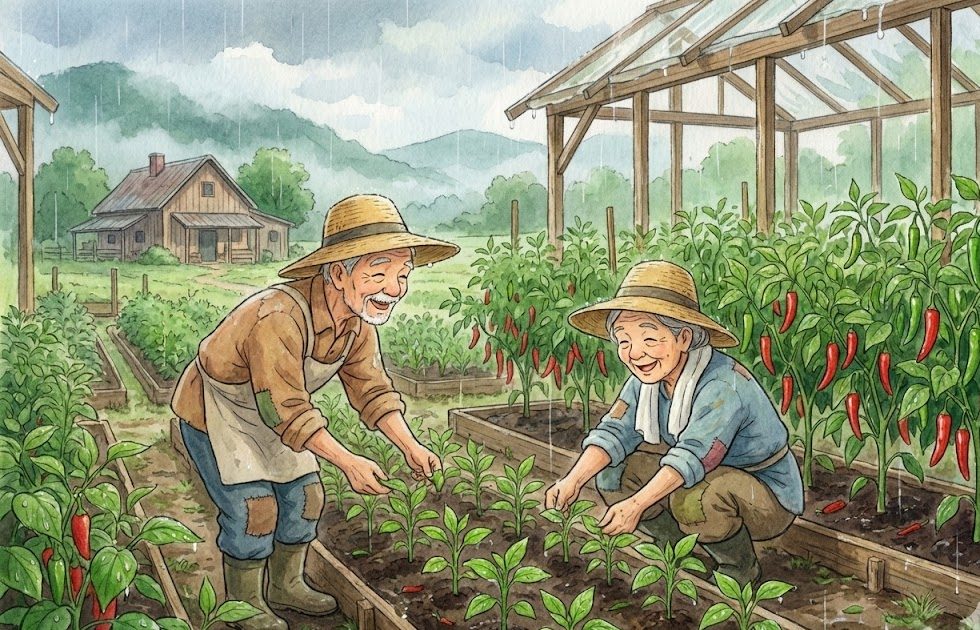
A strong chili crop begins with a healthy nursery. When seedlings are raised through organic and traditional methods, they develop natural resistance against pests and climate stress. Farmers across India and many other countries have proved that chemical-free nurseries produce more durable plants. Natural practices also protect soil microbes that are essential for long-term fertility. This guide explains the environment and soil conditions needed to prepare an ideal chili nursery without synthetic inputs.
Environment & Soil Requirement
Chili seedlings grow best in a warm and moderately humid environment. The ideal temperature for germination is 22–28°C, while gentle morning sunlight for 6–8 hours helps young leaves become sturdy. The seed bed should be placed where rainwater can drain easily and fresh air can move freely. Light loamy or sandy-loam soil with pH 6.0–7.0 is considered most suitable. Mixing organic matter into the soil keeps moisture balanced and prevents root diseases.
Five Human Paragraphs (2–3 Lines Each)
Article 1 – Selecting Natural Seeds
Choose seeds from fully ripe and healthy chili fruits of the previous season.
Such home-saved seeds adapt better to local weather.
Avoid buying heavily chemical-treated seeds for nursery use.
Article 2 – Preparing Organic Seed Bed
Plow the nursery soil finely and remove stones and weeds.
Add two parts soil with one part well-rotted farmyard manure.
Neem leaf powder or wood ash can be mixed as a natural disinfectant.
Article 3 – Gentle Watering Practice
Water the seed bed with a small sprinkler or rose can.
Direct pipe watering may disturb seeds and tender roots.
Keep the soil moist, not flooded, especially during monsoon days.
Article 4 – Protection from Rain Stress
Use a simple bamboo shade or 50% green net during heavy rains.
Cover only the top, keep sides open for ventilation.
This reduces fungus and damping-off problems naturally.
Article 5 – Hardening Before Transplant
After 20–25 days, reduce watering slightly to harden seedlings.
Expose plants to a little stronger sunlight.
Hardened plants survive field transplant more successfully.
Five Quick Organic Points
- Soak seeds in lukewarm water for 5–6 hours to improve germination.
- Keep seed bed height about 6 inches for natural drainage.
- Spray 1% neem oil once in two weeks if aphids appear.
- Transplant seedlings at 25 days for best root growth.
- Mulching with dry leaves preserves moisture and controls weeds.
Conclusion – Natural Coriander Gardening:
Growing coriander naturally is not only rewarding but also sustainable. By following organic methods, you ensure that your plants remain healthy and chemical-free, providing fresh, flavorful leaves for your kitchen. Natural gardening practices such as using organic fertilizers, controlling pests with safe methods, and maintaining proper soil and watering conditions make coriander cultivation easy and environmentally friendly.
Whether you are growing it at home in pots or on a larger farm, the principles remain the same: select quality seeds, care for your plants with patience, and harvest at the right time. This approach not only produces healthy, aromatic coriander but also contributes to a greener, safer environment. With consistent care and attention, anyone can enjoy the benefits of home-grown or farm-grown coriander while promoting sustainable agricultural practices.